
Seasonal Depression, It’s a Real Thing
The name may seem like a joke but it’s really a lot more troublesome than it sounds. Seasonal Affect Disorder (SAD) is a type of depression that occurs due to changes in weather patterns and climate that adversely affects certain individual’s mental health. Bleh. That’s the more clinical explanation anyway. To put it more simply, when the dark/cold times come some of us get sad (hey that works both ways). It’s more than that though. Depression in and of itself is not something to be taken lightly. People can experience a myriad of symptoms including fluctuations in appetite and sleep, low motivation, memory issues, irritability, avoidance behaviors and so on. These are also things someone may not normally deal with during the rest of the year as well. Or the severity of their symptoms increases and becomes unmanageable. It’s a big spectrum that can present differently in each person.
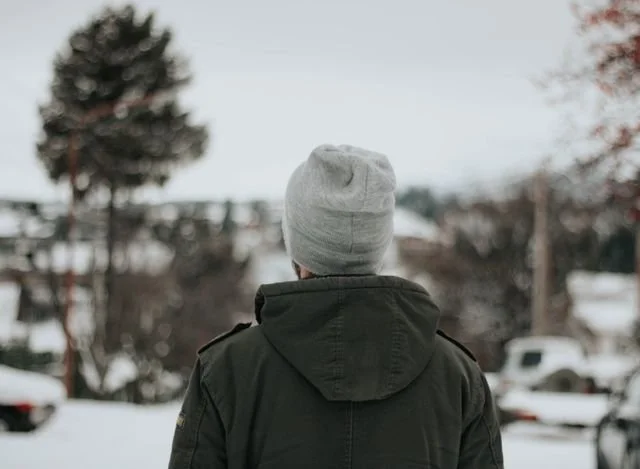
Why Seasonal Changes Can Affect Your Mental Health
So why is that? Well, when you picture seasons like Spring and Summer you usually imagine things that include being a lot more active and social. People go outside more or attend more gatherings and have opportunities that lessen or disappear in the Fall and Winter. Obviously, this is truer for those who live in areas with more pronounced or drastic weather changes. The length of our days changes a lot in the colder seasons as well.
It is rarer but some people do experience SAD in the Spring and Summer. This can be due in part to a past history of trauma surrounding these seasons or it could be due to physical/medical conditions which are exacerbated in those seasons. Part of it could even be perception. Some people are hard wired based on their personality and preferences to view some seasons as largely preferable to others. And yet even these things can be true for Fall and Winter as well. So, it does come back to the discussion on spectrum and how it presents from person to person.
Finding Ways to Manage Seasonal Affective Disorder
All presentations of this condition are valid though and can be quite debilitating to some. It should not be taken lightly by any means. Some common treatments for SAD can include things like supplements Vitamins D and B12 for example), switching to hobbies that are reserved for those seasons, returning to therapy or increasing your sessions, some medications can help, changing our socializing habits, light therapies, adjusting our diet and sleep routines, somatic exercises/therapies can help; there are a lot of options and they should be considered.
A fair number of people choose to suffer or “push through” their experiences with SAD but it’s not necessary to simply bite down and push forward. It does take work but there are ways to deal with this issue if it is something that affects you. Much like any medical condition which is triggered or worsened by certain things, having SAD is quite similar. It isn’t your fault that you struggle with it and it is not a reflection on your character or strength of will. It’s a fact. Like having ADHD or being diabetic. We can’t will it away so we need to treat it and be mindful of it.
You Don’t Have to Wait Until It Feels Severe
If seasonal changes are affecting your mood, energy, motivation, or ability to enjoy your everyday life, you don’t have to simply wait for the season to pass. Depression therapy can give you a supportive place to better understand what you’re experiencing and find strategies for managing these changes. If you think Seasonal Affective Disorder may be affecting you, reach out to us. We’re here to help you find the support you need and feel more like yourself throughout the year.