

Blog
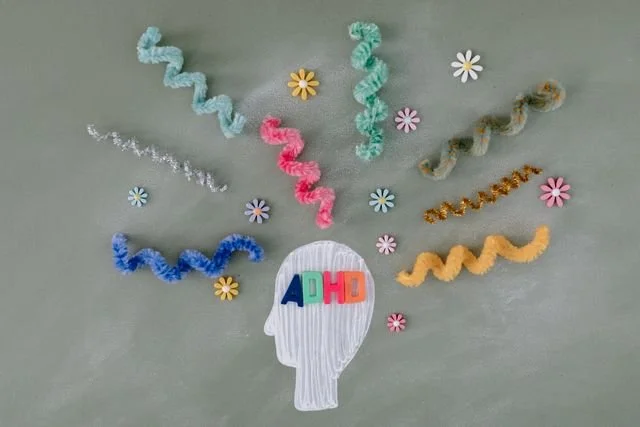
How Does ADHD Affect the Brain?
Attention-deficit/hyperactivity disorder, or ADHD, affects more than just your ability to focus. It involves differences in how the brain manages attention, motivation, impulses, emotions, and executive functioning. These differences can influence how you approach tasks, organize your responsibilities, and respond to life's everyday demands.

Why I Love Therapy: From Both Sides of the Couch
This hopefully isn’t a controversial opinion, but I firmly believe that every therapist should have at one time been to therapy themselves (or could be currently attending). I believe this for a myriad of reasons.

What Is High-Functioning Depression?
Some people struggle with depression but are still able to work, maintain relationships, and meet responsibilities. This is known as high-functioning depression.

How to Deal with Anxiety Around "Adulting"
Being an adult comes with responsibilities that can feel overwhelming. Paying bills, managing a career, maintaining a home, navigating relationships, and making important decisions can create anxiety, especially when you feel like you're supposed to have everything figured out.

How Teen Brains Are Different
The teenage years involve major changes in the brain, body, emotions, and social relationships. If you're a parent, you may notice your teenager making impulsive decisions, reacting strongly to situations, or struggling with responsibilities that seem simple to you.

Seasonal Depression, It’s a Real Thing
The name may seem like a joke but it’s really a lot more troublesome than it sounds. Seasonal Affect Disorder is a type of depression that occurs due to changes in weather patterns and climate that adversely affects certain individual’s mental health.

Coping with the Stress of Having to Hide Your Sexuality
Hiding your sexuality can create a significant amount of emotional stress. It might involve carefully considering what you say, who you talk to, and how much of your personal life you share.

Strategies for Reducing Anxiety Naturally
Anxiety can affect your thoughts, emotions, sleep, concentration, and physical well-being. While professional treatment can be important for persistent or severe anxiety, everyday habits may also help you manage symptoms and support your overall mental health.