
Strategies for Reducing Anxiety Naturally
Anxiety can affect your thoughts, emotions, sleep, concentration, and physical well-being. While professional treatment can be important for persistent or severe anxiety, everyday habits may also help you manage symptoms and support your overall mental health.
It's important to note that while natural strategies can help manage your anxiety, they aren't a complete replacement for treatment, especially when anxiety significantly interferes with your life. However, adding supportive habits to your routine can give you extra tools for managing stress and responding to anxious thoughts. Let's take a look at some powerful practices you can use right away.
Practice Slow, Intentional Breathing
Anxiety can affect your breathing, causing it to become faster and shallower. Spending a few minutes taking slower, comfortable breaths can give your attention something simple to focus on. Try inhaling through your nose and slowly exhaling without forcing a specific rhythm. You can practice this while sitting at your desk, before bed, or during a stressful moment.
Move Your Body
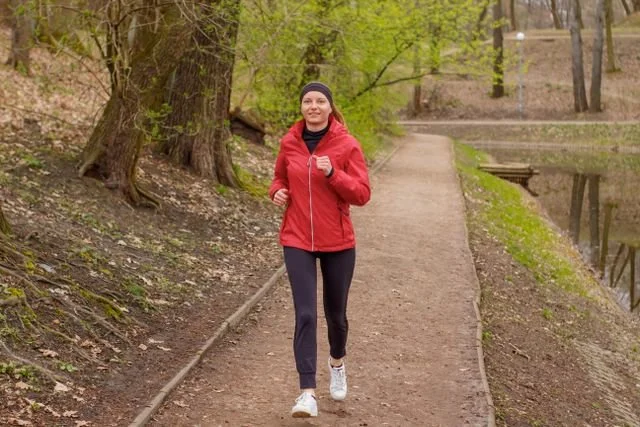
Physical activity can be a useful way to manage stress and support your mood. You don't need an intense workout to benefit from movement. A short walk, stretching session, bike ride, or workout can provide an opportunity to step away from stressful thoughts and reconnect with your body. Choosing activities you enjoy can make movement easier to maintain as part of your routine.
Prioritize and Protect Your Sleep
Poor sleep can make anxiety more difficult to manage. Establishing a consistent sleep schedule and creating a relaxing bedtime routine can support better rest. Try limiting stimulating activities before bed, keeping your sleeping environment comfortable, and giving yourself enough time to sleep. If anxiety regularly keeps you awake, discussing the problem with a healthcare or mental health professional may be helpful.
Pay Attention to Caffeine and Alcohol Intake
Caffeine can increase physical sensations that resemble anxiety, such as a racing heart or restlessness. If you notice that coffee, energy drinks, or other sources of caffeine make your symptoms worse, consider reducing your intake. Alcohol may initially feel relaxing, but it can interfere with sleep and contribute to increased anxiety later. Paying attention to how different substances affect you can help you make choices that support your well-being.
Spend Time Outside
Getting outside can provide a simple change of environment when you're feeling stressed. Walking through a park, sitting in your backyard, or spending a few minutes in natural surroundings can give you time away from screens and daily demands.
You can make this practice even more useful by paying attention to what you see, hear, and feel around you. Focusing on your surroundings can bring your attention back to the present moment and put a stop to runaway anxious thoughts.
Limit Mental Overload
Constant notifications, social media, news, and multitasking can contribute to mental fatigue. Creating periods without your phone or other digital distractions can allow your mind to rest. You might set specific times to check messages, take short screen breaks during work, or avoid scrolling when you're already feeling overwhelmed. Small changes can make your environment feel more manageable.
Know When to Seek Support
Lifestyle strategies can complement professional care, but anxiety sometimes requires more support. If anxiety is persistent, difficult to control, affecting your relationships, disrupting sleep, or interfering with work and daily activities, consider speaking with a mental health professional.
Therapy for anxiety can help you identify your anxiety patterns, develop coping skills, and address underlying concerns. A therapist can work with you to help you develop practical strategies for managing your anxiety and supporting your overall mental well-being. If anxiety is interfering with your daily life, contact us to schedule an appointment.