
How Does ADHD Affect the Brain?
Attention-deficit/hyperactivity disorder, or ADHD, affects more than just your ability to focus. It involves differences in how the brain manages attention, motivation, impulses, emotions, and executive functioning. These differences can influence how you approach tasks, organize your responsibilities, and respond to life's everyday demands.
It's important to note that ADHD isn't caused by laziness or a lack of discipline. Research suggests that genetics, brain development, and other biological factors contribute to ADHD. Taking the time to learn how ADHD affects the brain can help explain why certain tasks feel more difficult and why traditional strategies don't always work.
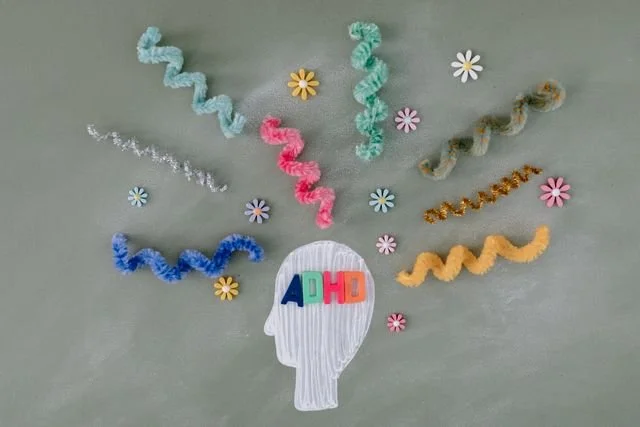
ADHD and Executive Functioning
Executive functioning refers to the mental skills that help you plan, prioritize, organize, remember information, manage time, and complete tasks. ADHD can affect these abilities, making it even harder to start an assignment, follow through on a project, or keep track of several responsibilities. You may know exactly what you need to do but struggle to get started. A task that seems simple to someone else may require significant mental effort for you, especially when it isn't immediately interesting or rewarding.
The Role of Attention
Having ADHD doesn't necessarily mean you can't pay attention. Instead, you may have difficulty regulating where and when you direct your attention. You might become distracted by sounds, thoughts, notifications, or other things happening around you. At other times, you may become intensely focused on an activity that captures your interest and have difficulty shifting your attention to something else. This can make attention feel inconsistent rather than simply absent.
ADHD and Motivation
The brain's reward system also plays a role in ADHD. Tasks that provide immediate interest, stimulation, or a sense of reward may be easier to engage with than tasks in which the payoff comes much later. This can make deadlines even more influential. You might procrastinate on a project for days and then complete a large amount of work once the deadline becomes immediate. This pattern can reflect difficulty regulating motivation and attention based on delayed rewards rather than a choice to be unproductive.
Impulsivity and Emotional Regulation
ADHD can affect impulse control, which may influence how quickly you respond to situations. You might interrupt conversations, make decisions without fully considering the consequences, or struggle to pause before reacting.
Emotional regulation can also be challenging. Frustration, excitement, disappointment, or anger may feel intense and difficult to manage in the moment. Learning strategies for pausing, identifying emotions, and choosing a response can help you manage these reactions more effectively.
How ADHD Affects Daily Life
Brain-based differences associated with ADHD can show up in many areas of life. You may struggle with keeping your home organized, remembering appointments, managing finances, meeting deadlines, or maintaining consistent routines.
These challenges can also affect relationships. Forgetting plans, interrupting, losing track of conversations, or becoming overwhelmed by responsibilities may create misunderstandings with people you care about. Developing systems that work with your attention patterns can make daily responsibilities more manageable.
Getting Support for ADHD
ADHD is a complex condition, and its symptoms can look different from person to person. A qualified professional can evaluate your symptoms, consider other possible causes, and help determine appropriate treatment options.
Therapy for ADHD can help you develop practical strategies for organization, time management, emotional regulation, communication, and coping with frustration. As a client, you can also explore how ADHD has affected your self-esteem and relationships while developing approaches that fit the way your brain works. If ADHD symptoms are affecting your work, relationships, or daily responsibilities, reach out today to schedule an appointment to get support developing strategies that work for you.